Monday, December 22, 2025
Introduction
A pump station package is a pre-engineered, prefabricated system designed for transferring water or various process fluids in urban, industrial, agricultural, and utility projects. Proper selection of the package reduces operational costs, controls energy consumption, and prevents system downtime.
To ensure accurate selection, project requirements—including flow rate, head, pipeline path, environmental conditions, and pump type—must be clearly defined.
This article provides a complete selection guide for engineers, consultants, project owners, and project managers.
Step 1: Determining the Required Flow Rate
Flow rate represents the volume of water passing through the system per unit time, typically measured in L/s or m³/h.
Flow is usually determined based on:
• Final water consumption
• Reservoir or source volume
• Required discharge rate
• Number of end-users
Practical examples:
• Industrial complexes → High flow rate (30 to several hundred L/s)
• Orchard and agricultural irrigation → Medium flow rate (5–30 L/s)
• Large buildings → Low flow rate (1–10 L/s)
Key note:
Oversizing the flow rate increases capital cost and energy consumption.
Undersizing the flow rate causes pressure drops and system failure.
Step 2: Determining the Pumping Head
Head is the total pressure required to lift water to a specified elevation.
It consists of three main elements:
High head is required for:
• Tall buildings
• Long-distance transmission
Low head is suitable for:
• Level terrain
• Local distribution systems
Common mistake:
Calculating head based only on elevation while ignoring friction losses.
This results in selecting an undersized pump and poor system performance.
Step 3: Selecting the Installation Location
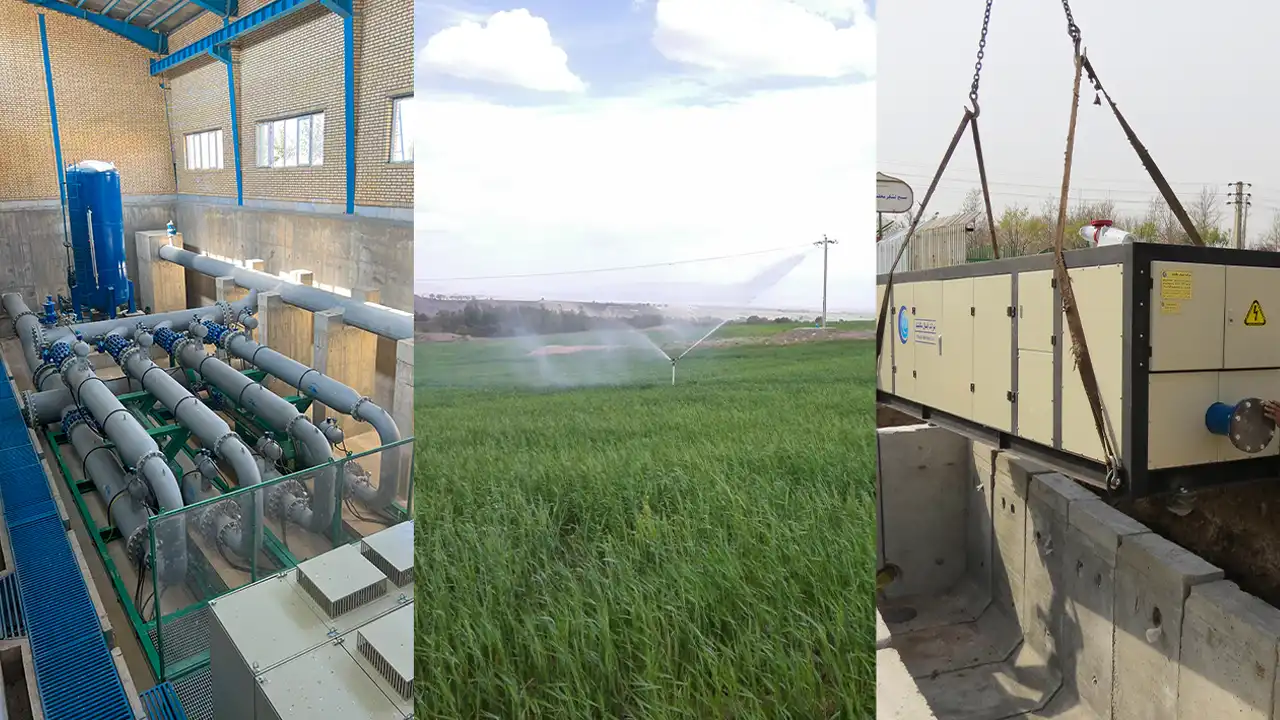
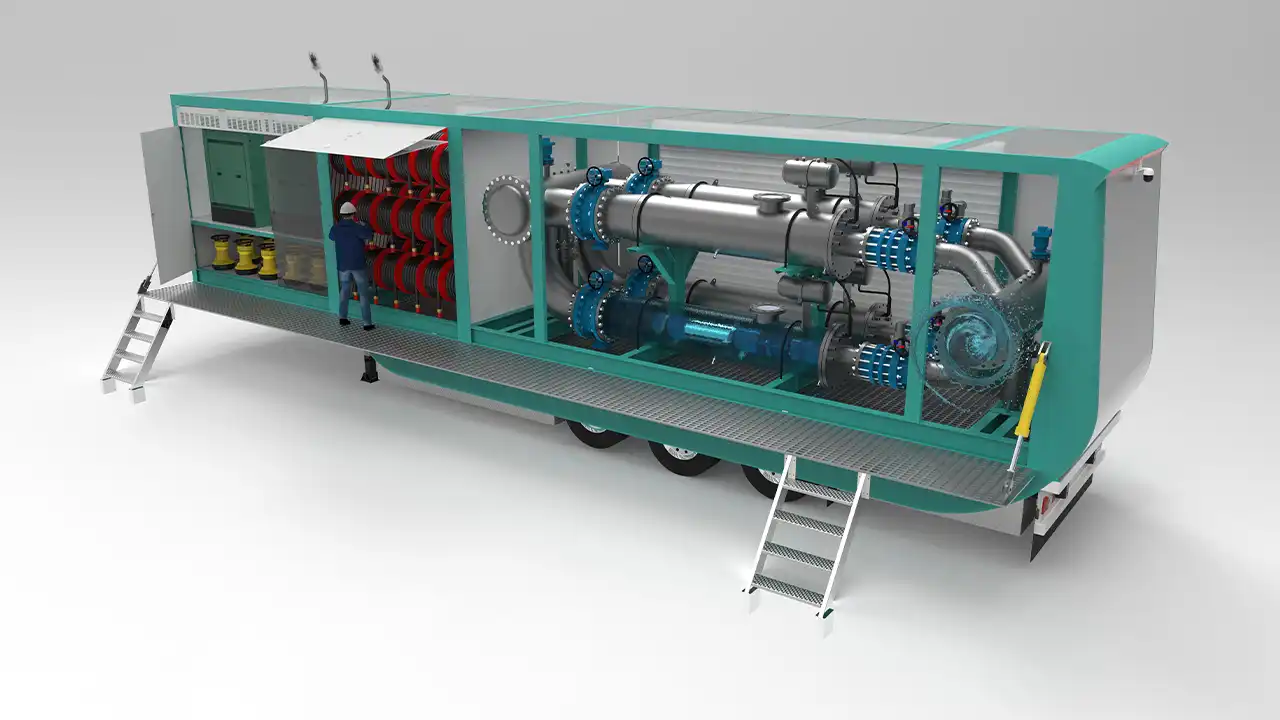
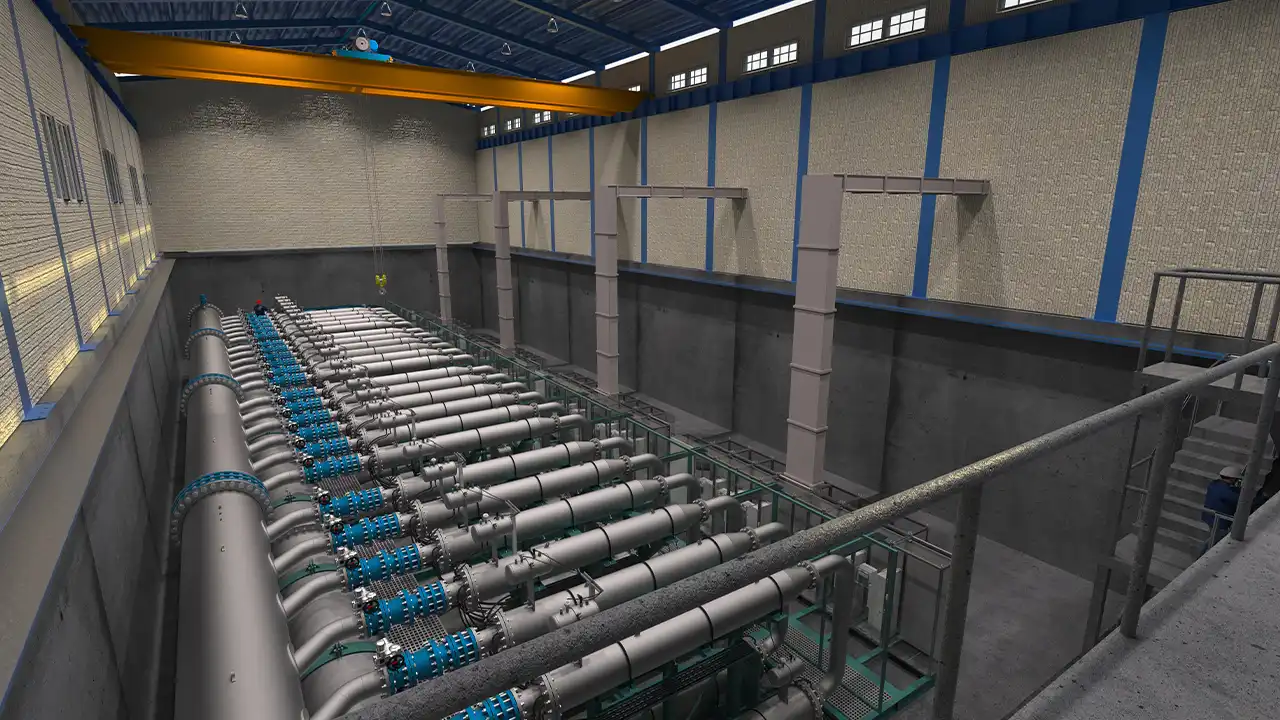
Pump packages are installed in three typical configurations:
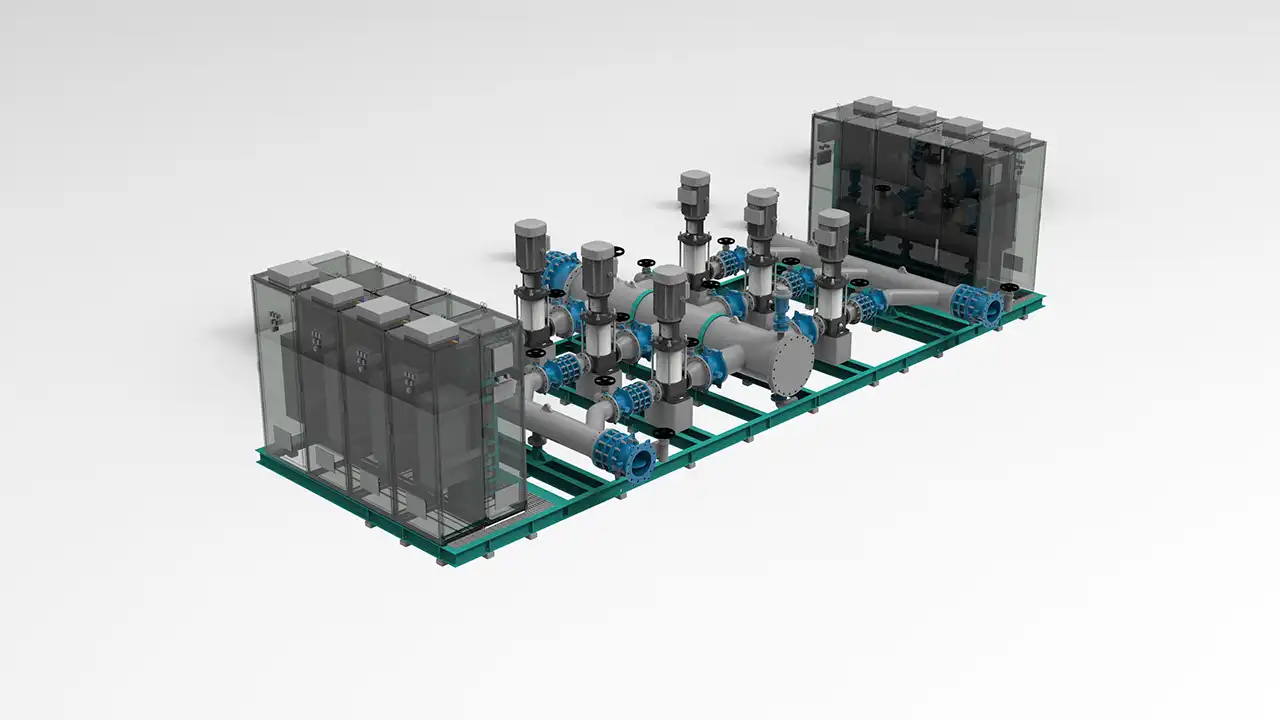
Step 4: Selecting the Number of Pumps and Operating Configuration
Optimal arrangement includes:
• Duty pump
• Standby pump
• Emergency pumps (if required)
Benefits of using a standby pump:
• Stable system operation
• Reduced downtime
• Ability to perform maintenance without shutdown
Step 5: Selecting the Control and Automation System
Modern pump packages typically include:
• Intelligent control panel
• Pressure sensors
• Variable Frequency Drive (VFD) / Inverter
• PLC monitoring system
• Fault alarms
Advantages of smart control:
• Up to 30% energy savings
• Protection against pump burnout
• Stable pressure control
• SCADA or internet connectivity
This is essential for critical applications such as municipal water transmission.
Step 6: Selecting Equipment Materials and Construction Standards
Key factors to evaluate:
• Corrosion-resistant skid
• Piping with appropriate pressure rating
• Electrical panel with IP-certified protection level
• Pumps meeting established standards
• Proper calibration of sensors
Essential documentation includes:
• Construction drawings
• Operation manual
• QC reports
Final Step: Cost Evaluation
Package pricing depends on:
• Required head and flow
• Pump type
• Automation and monitoring level
• Piping material
• Number of pumps
Lower cost does not always mean better selection;
Cheaper systems often lead to higher energy costs, faster failure, and system downtime.
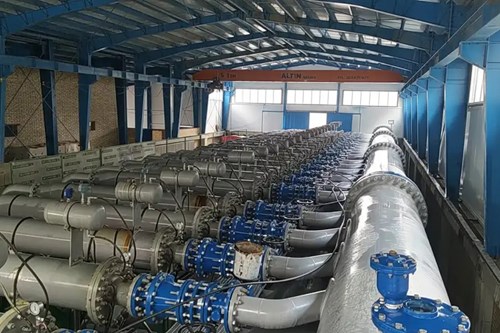
Industrial Pumping Station Package Manufactured by Ettesal Mechanic Company
Frequently Asked Questions