
Thursday, December 18, 2025
Introduction
Designing a pump station package requires precise definition of technical parameters to ensure that water is delivered to the consumption point with adequate pressure and flow. Head, flow rate, pump selection, installation conditions, and hydraulic configuration are among the most critical factors. This article examines the process of selecting and designing pump packages based on these parameters.

Synergy Meeting for Pumping Station Package Design
Flow Rate
Flow rate represents the volume of water transferred per unit of time and must be calculated realistically according to the end-use demand.
Flow Rate Determination Methods
• Summation of end-user consumption
• Usable discharge volume of the reservoir
• Peak consumption pattern
• Characteristics of the transmission system
Flow Rate Examples
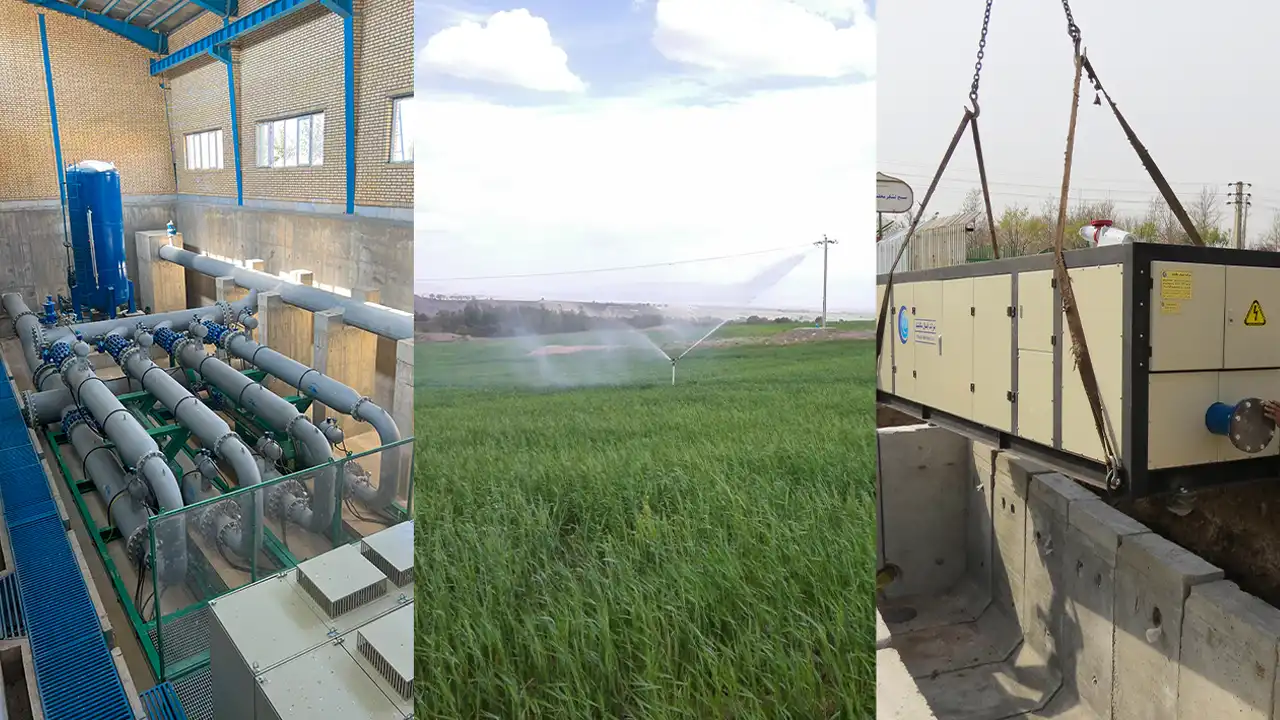
• Large-scale irrigation → medium to high flow
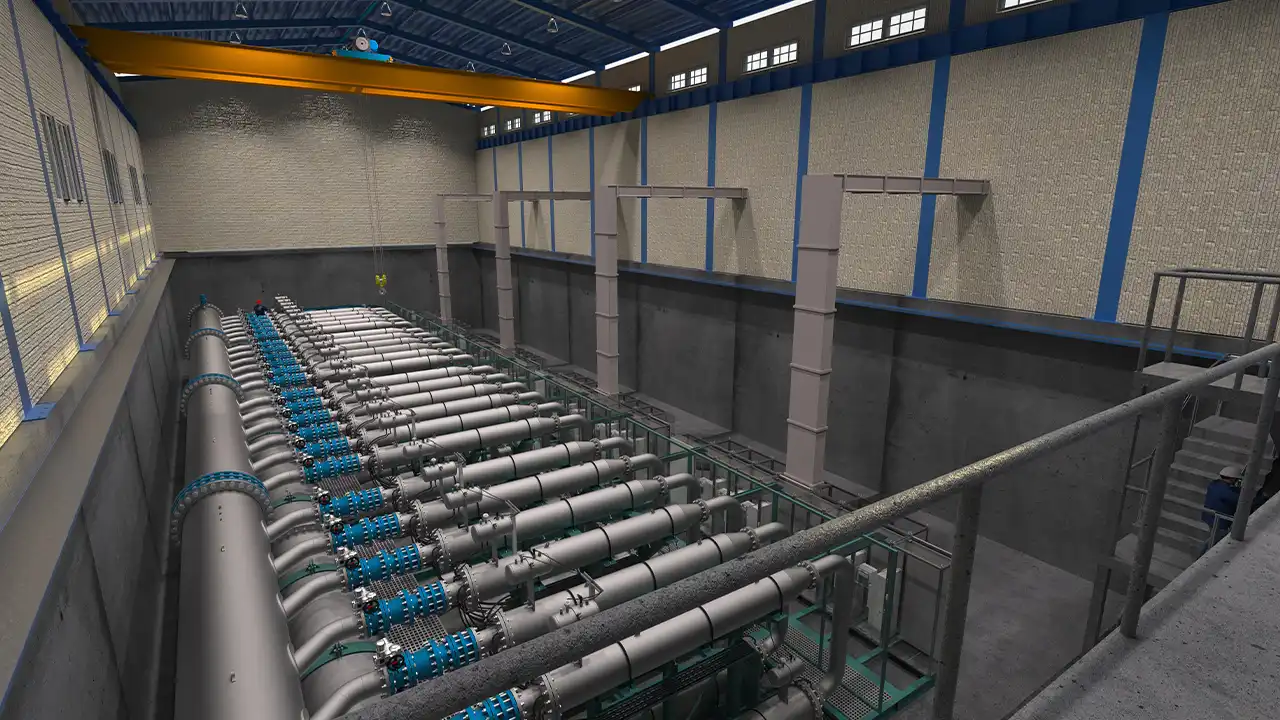
• Industrial complexes → high flow
• Building systems → limited flow
Importance of Accurate Flow Rate
• Precise pump power selection
• Prevention of excessive pressure
• Reduction of energy costs
Head (Pressure)
Head represents the pump’s capability to overcome elevation differences and network friction losses.
Total Head = Static Head + Friction Losses + Required Terminal Pressure
Static Head
Elevation difference between the source and the point of consumption.
Friction Losses
Dependent on:
• Pipe length
• Number of fittings
• Pipe material
• Surface roughness
Importance of Discharge Pressure
Discharge pressure must be sufficient for:
• Proper water distribution
• Feeding high-pressure lines
• Operation without pressure shock
Using a pressure control system helps reduce energy consumption.
Number of Pumps and Operating Capacity
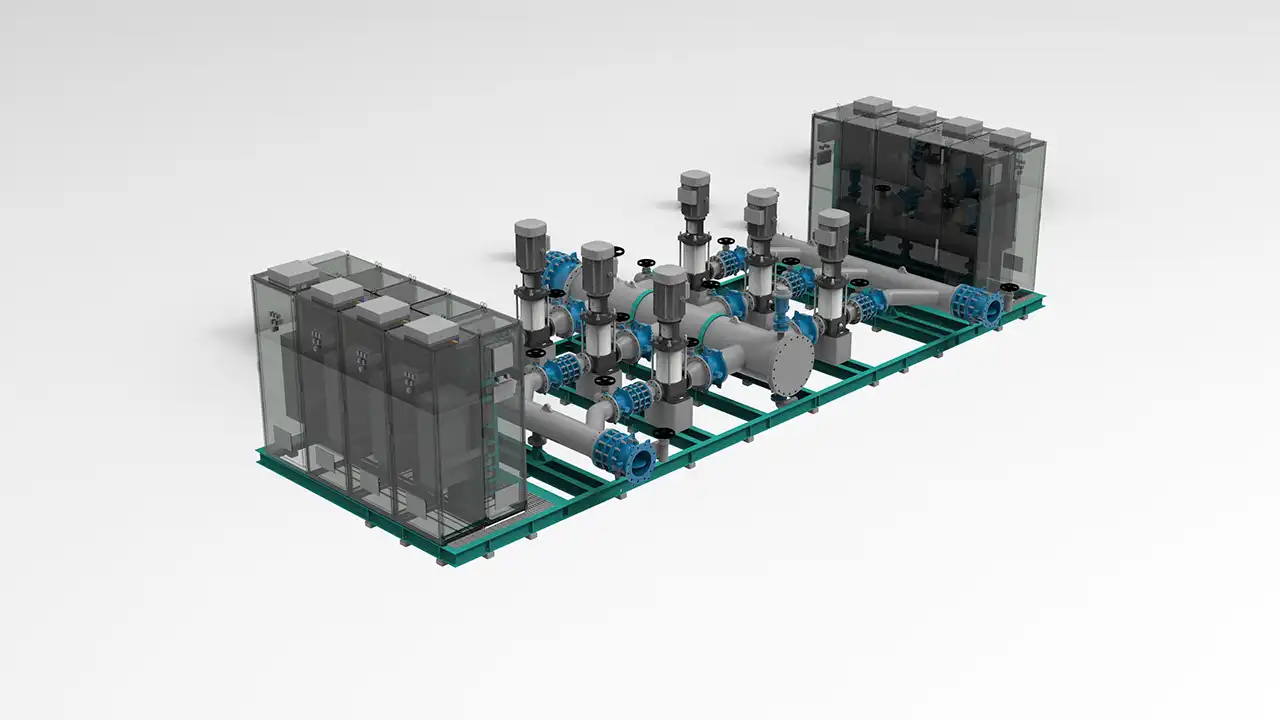
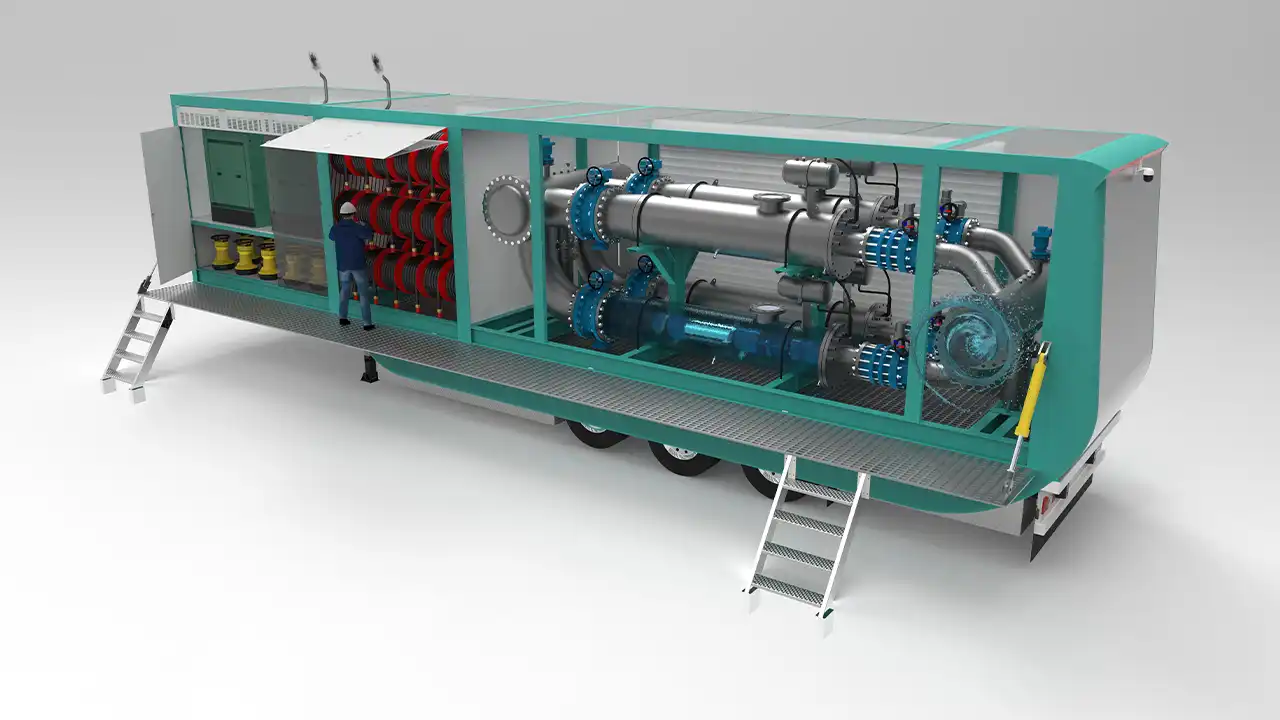
The number of pumps in the package is defined according to project requirements.
Typical Configuration
• Duty pump
• Standby pump
• Auxiliary pump if needed
Advantages of Multi-Pump Systems
• Reduced wear
• Serviceability without system shutdown
• Adaptation to variable consumption
Installation Type
Three main installation methods are used:
Above-Ground Installation
• Easy access and maintenance
• Common in industrial and municipal facilities
Underground Installation
• Suitable where open space is limited
• Reduced noise pollution
• Improved equipment protection
Semi-Buried Installation
• Combination of the two approaches
• Suitable for urban and public projects

Design,Calculation,Simulation,and Production of Executive Details by Ettesal Mechanic Engineers
Hydraulic Structure and Piping
Proper hydraulic design enhances pump efficiency and minimizes losses.
Hydraulic Design Requirements
• Use of straight flow paths
• Provision of safety valves
• Installation of vibration isolators
• Use of standard flanges
• Proper pipe sizing
Electrical Panel and Automation
Key electrical design parameters include:
• Type of motor starting method
• Variable frequency drive (VFD) for pressure control
• Pump protection systems
• Fault display and logging capabilities
• Network communication capability
Using a PLC-based control system results in:
• No need for continuous operator presence
• Reduced energy consumption
• Real-time monitoring
Final Notes
Proper pump package design directly affects:
• Equipment wear
• Water delivery quality
• Energy consumption
• System life expectancy
Frequently Asked Questions