
Saturday, November 15, 2025
Overview
A complete technical and economic comparison between prefabricated pump station packages and traditional pumping systems. Designed and manufactured by Etesal Mechanic Co., featuring smart control and fast installation.
Introduction
In water supply, irrigation, and wastewater projects, choosing the right pumping system is one of the key engineering decisions. The two main options include traditional pumping systems and prefabricated (modular) pump station packages.
This article examines the differences between these two approaches from technical, implementation, and economic perspectives.
Definition of a Traditional Pumping System
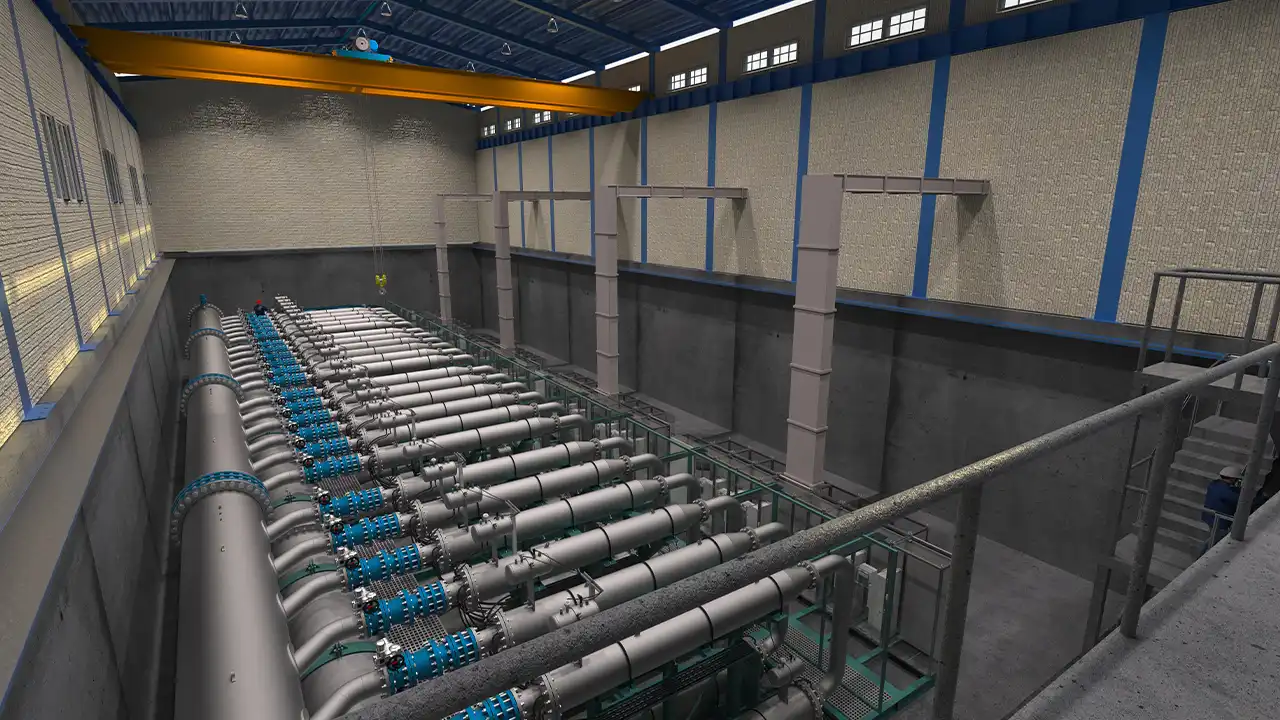
A traditional pumping system involves separately designing and installing equipment such as pumps, pipes, electrical panels, and structural components directly at the project site. This method requires more time, manpower, and coordination among multiple contractors.
Advantages
Disadvantages
Definition of a Prefabricated Pump Station Package
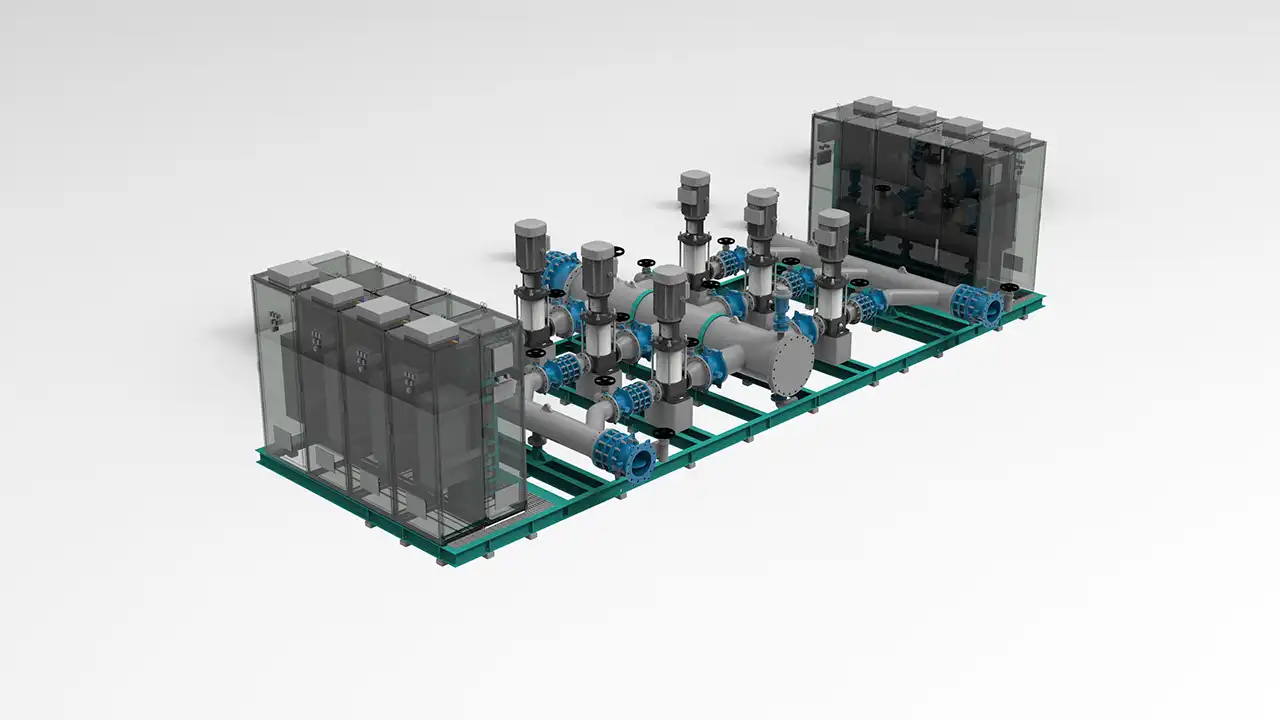
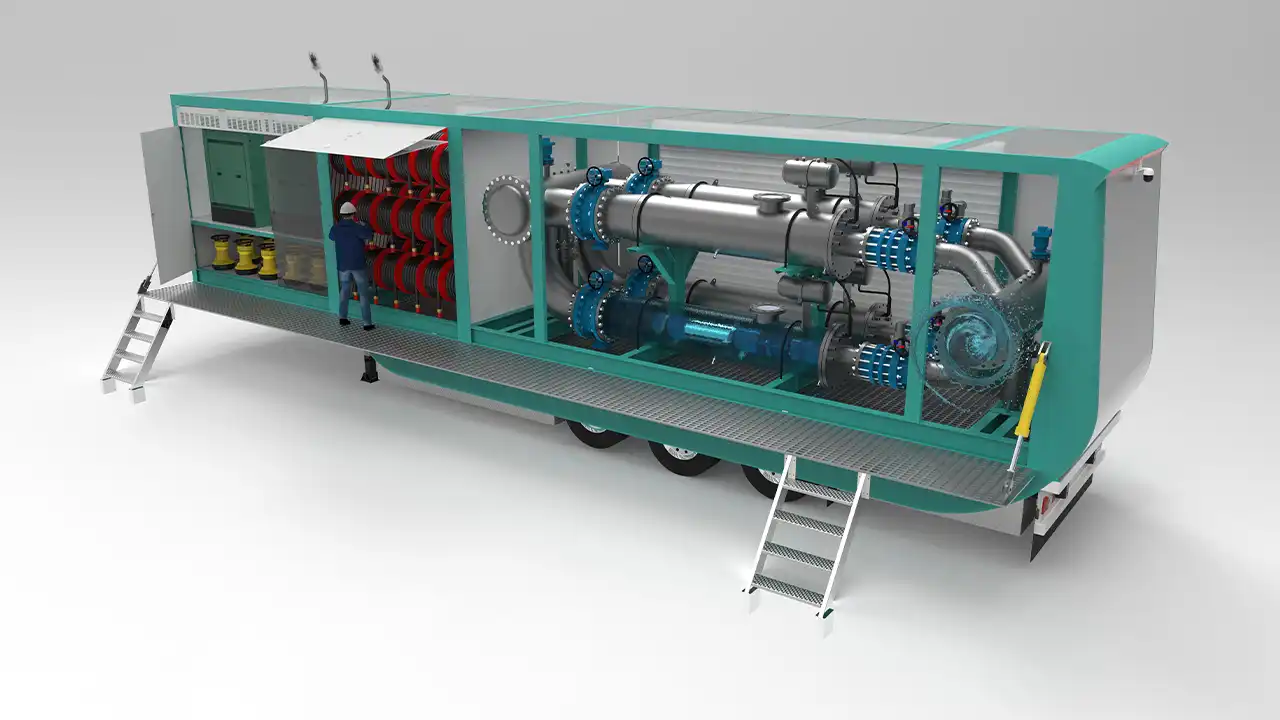
A prefabricated pump station package is a fully engineered assembly of pumps, an electrical panel, control system, piping, and a base frame—manufactured, assembled, and tested inside the factory, then delivered ready for installation.
Advantages
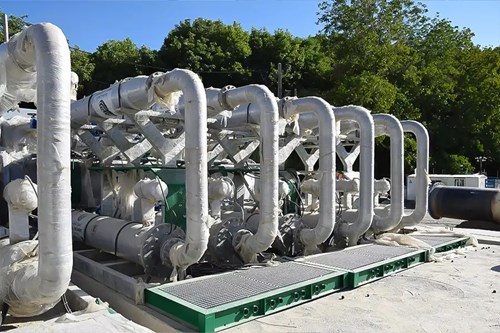
Prefabricated Pump Station Package Ready for Installation
Economic Comparison
From a cost perspective, using a prefabricated pump package can reduce the overall project cost by 20–30%.
The main reasons include eliminating on-site fabrication costs, reducing rework, and increasing system lifespan.
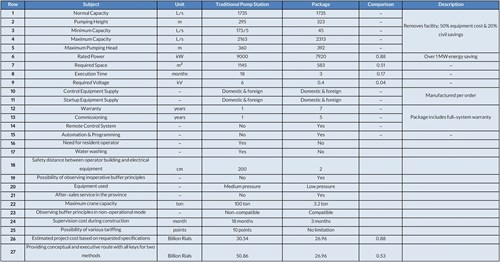
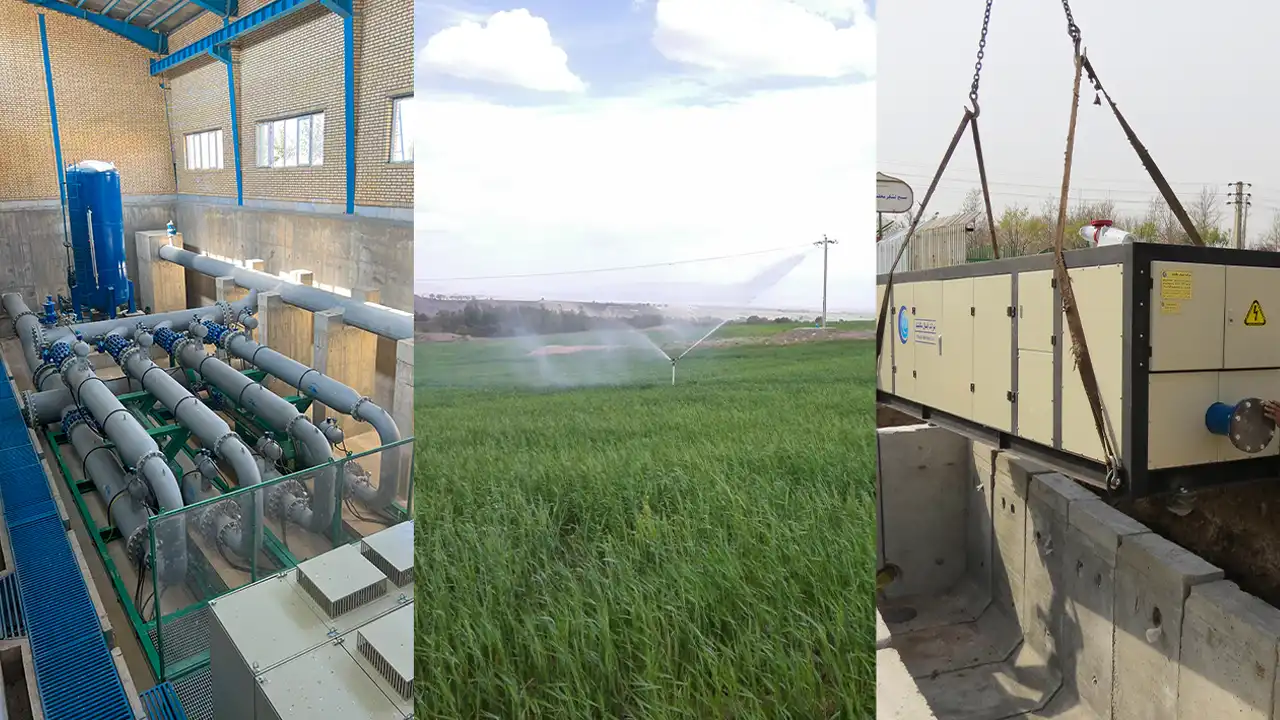
Comparison of a conventional pumping station with a packaged pumping station – Water Transfer Project of the Ben–Boroujen Axis
Project Timeline and Execution Speed
In infrastructure projects, delays can result in significant financial losses. Prefabricated packages minimize installation time thanks to their engineered design and parallel manufacturing during other project phases.
Smart Control and Operation
Modern pump station packages offer automated and remote pump control. PLC controllers and pressure/flow sensors ensure the system operates within optimal performance ranges.
In traditional systems, these operations are usually manual and operator-dependent.
Durability and Maintenance
Prefabricated packages typically use corrosion-resistant materials, galvanized piping, and epoxy coatings. This reduces service frequency and increases the useful life of the system to more than 10 years.
Conclusion
Prefabricated pump station packages clearly outperform traditional systems in terms of installation speed, cost savings, maintenance, and energy efficiency.
They are a more suitable choice for urban, industrial, and agricultural projects.
With extensive experience in designing and manufacturing these packages, Etesal Mechanic is one of the leading suppliers in this field.
Frequently Asked Questions (FAQ)
Traditional systems require equipment installation at the project site, involving more time, manpower, and coordination.
Prefabricated packages are fully assembled in the factory and delivered ready for installation, resulting in faster, more precise, and higher-quality performance.
Yes. Etesal Mechanic custom-designs packages based on flow rate, head, fluid type, and installation space.
Depending on the project needs, horizontal, vertical, or multistage centrifugal pumps may be used.
Yes. They can be equipped with PLC systems and sensors for pressure, flow, and liquid level—automatically optimizing pump performance.
With proper maintenance, the expected lifespan ranges from 10 to 15 years. Anti-corrosion materials increase durability.
Installation typically takes 1 to 3 days, while traditional systems may require several weeks.
Yes. Since they are delivered fully tested and ready for installation, they are ideal for off-grid or hard-to-access locations.
Design, manufacturing, installation, commissioning, and after-sales services for water and wastewater pump station packages with smart control options.
Yes. All packages include a valid warranty and technical support.
You can request consultation and pricing through the official Etesal Mechanic website or by contacting the sales department.